

Pigmentation
Pigmentation darker after laser? Why it happens and what to do
Darker pigment after laser does not always mean failure. It is a temporary reaction, a problem of treatment order, or a problem of diagnosis, and each needs a different response.

Written and reviewed by Dr. Hanaram Jang, Medical Director
Published / 5 min read

On this page
"I had melasma treatment and it got darker." People who say this to me usually look half upset and half guilty. Some ask, "Is something wrong with my skin?"
My first answer is no. Your skin is not strange, and treatment is not over. Darkening after laser has three possible identities. Telling them apart decides what to do next.
The misunderstanding: darker means the laser failed
Darkening is a symptom, not a verdict. Sometimes it needs nothing but time. Sometimes it needs the treatment to stop. Sometimes it means the target was wrong from the start.
This matters more for people with medium and darker skin tones, who are generally more prone to post-inflammatory hyperpigmentation (PIH). Heat and inflammation leave marks more readily, so the order and strength of treatment matter even more.
Identity 1: a temporary reaction
After laser, pigment can rise to the surface or form fine crusts, so the area looks darker for a while. That can be a normal part of the course.
If it began right after treatment or within two weeks, and it is gradually fading, time is likely to solve it. What you need here is observation, not more treatment.
Identity 2: a design problem (skipped steps)
Melasma is not a pigment you beat with force. If aggressive treatment is used on skin that has not been calmed, heat triggers inflammation, inflammation stimulates pigment cells, and a rebound follows. Energy or intervals that outpace what your skin can tolerate also belong here.
If it got darker with each session and redness or sensitivity increased along with it, suspect this. The response is to stop and redesign.
Identity 3: a diagnosis problem (wrong target)
Pigment thought to be melasma may actually be ABNOM or another deep pigment, or a mix of several. Repeating one method then either does nothing or makes things worse. If one area stays the same or darkens after many sessions, a full re-diagnosis is needed.
| Temporary reaction | Design problem | Diagnosis problem | |
|---|---|---|---|
| When it started | Right after or within 2 weeks | Built up over sessions | Specific area unchanged or darker over many sessions |
| Direction | Gradually fading | Getting darker, more redness or sensitivity | Not responding |
| What to do | Observe | Stop, then redesign | Re-diagnose from the start |
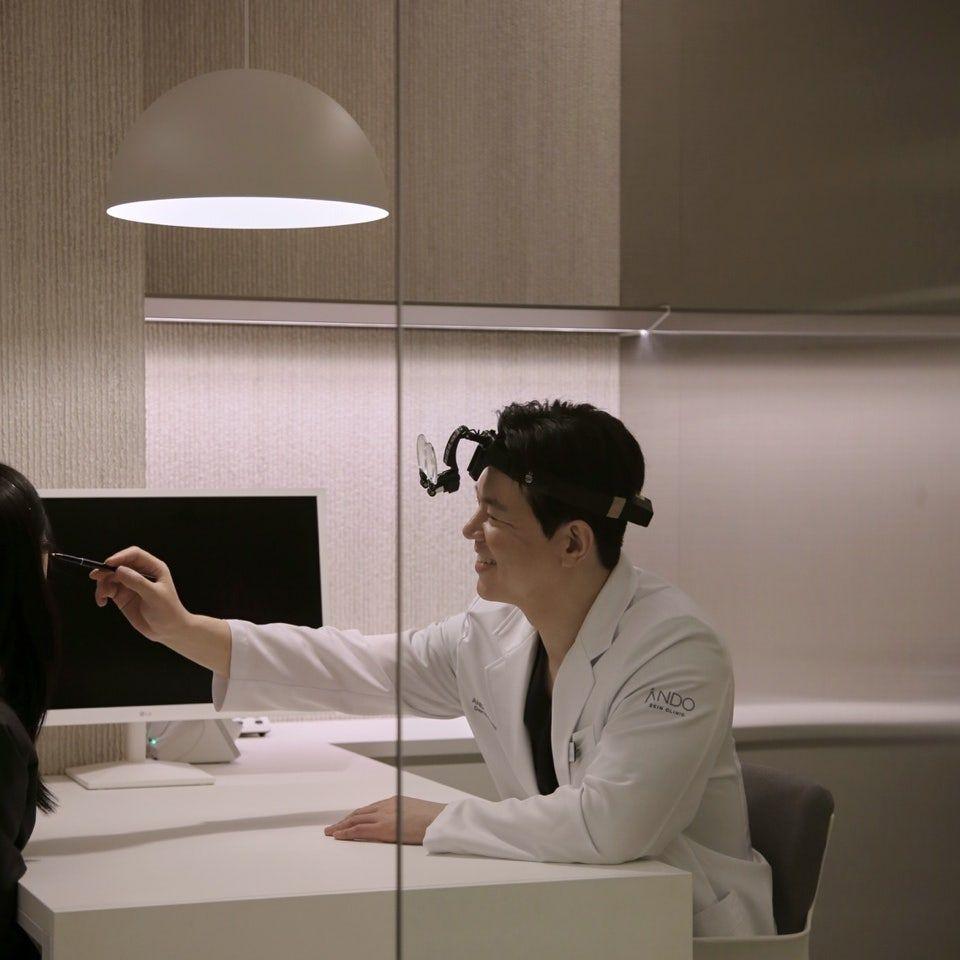
Which one it is can only be judged by looking at your treatment history and skin together. That is why one re-diagnosis should come before the conclusion "treatment failed."
Restarting: slower this time
When it is identity 2 or 3, we restart in this order.
- Stop and calm. Remove the irritation and give the barrier time to recover. On exhausted skin, even a good treatment does harm.
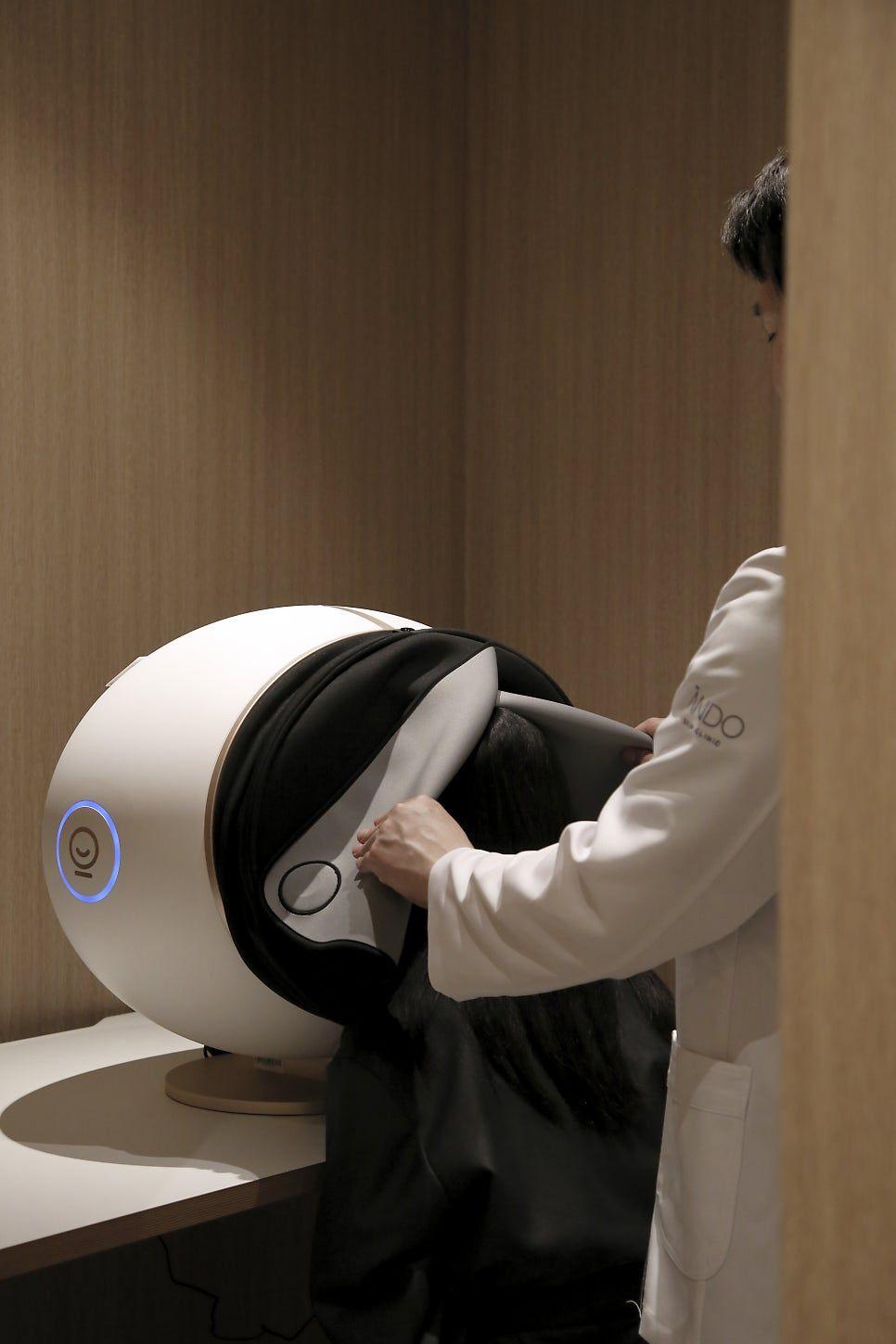
- Re-diagnose. Look again at which pigments are mixed and the current state of the skin. Previous treatment history is an important clue.
- Settle the skin. Control inflammation, vascular factors and sensitivity first, sometimes with a redness laser or calming care. Treatment to remove color comes after.
- Redesign low and slow. Start at lower strength than before, check the response and adjust, with review points set in advance. For melasma this usually means low-energy laser toning.
Step 1 is the hardest to accept. Telling someone who sees darker melasma in the mirror every day to stop sounds harsh. But fixing a rushed treatment with more rushing repeats the same failure.
Why order matters: habits after the laser
A year has 8,760 hours. The time your skin spends in a treatment room adds up to a few hours, less than 1%. Recurrence is decided in the other 8,759. I prescribe three habits.
Light. UV is the leading cause of recurrence.
- Use enough: for the face, about the length of the top segment of your index finger. A thin layer gives only part of the labeled SPF.
- Apply 20–30 minutes before going out.
- Reapply every 2–3 hours outdoors. Over makeup, cushion or stick formats are practical.
- UVA passes through clouds and glass: window seats, cloudy days, the driver's side of a car.
- SPF50+/PA+++ is enough. A comfortable texture you use daily beats a high spec you use sometimes.
Irritation. Hard scrubbing, massage, body scrubs, long saunas and hot packs feed inflammation. Pat, don't rub, when washing and drying. Keep baths not too hot and not too long.
Time. Catching recurrence early keeps the next treatment small. Once a month, take a face photo in the same place, light and angle, such as right after washing in the morning. Memory misses color change; photos don't.
If it were my face
I would ask the clinic one thing before restarting: do they say "let's continue right away," or "let's stop and look again"? A clinic that slows down in front of worsened skin is worth trusting. And I would not spend energy blaming the previous clinic. Melasma is hard to diagnose and unpredictable, and this can happen at careful clinics too. What matters is what changes from now on.
Planning around a trip to Seoul
- If your skin is currently darker after treatment elsewhere, the first visit may be diagnosis and calming only. That is intentional.
- Sightseeing is UV exposure. Walking all day counts, even on cloudy days. Carry sunscreen and reapply.
- Avoid saunas and hot spas while your skin is reactive. Korean bathhouses are part of many trips; plan them for before treatment or skip them this time.
- Bring your records: treatment names and counts, intervals, when darkening started, before and after photos, and the creams and medicines you use.
- Medium or darker skin tone: mention it, and mention any past marks that took long to fade. We start lower and move more slowly, and we may test a small area first.
- Continue at home: keep the monthly photo habit and send it to us if you notice darkening.
Prices for toning and related care are on our price list. Prices exclude 10% VAT.
Summary
Pigment that looks darker after laser is either a temporary reaction to observe, a design problem to stop and redesign, or a diagnosis problem that needs re-diagnosis. Restart slowly: stop and calm, re-diagnose, settle, then low and slow. Sun, irritation and early detection decide whether results last.
Results vary between individuals. Laser treatment can cause temporary redness or darkening, and in some cases persistent pigment change.
If your pigmentation got darker after treatment and you are planning a trip to Seoul, send your history and photos on WhatsApp first. We will tell you which identity it looks like and whether to plan treatment or only diagnosis for this visit. You can also book a re-diagnosis.
Questions
How long does temporary darkening after laser last?
Temporary darkening, such as pigment rising to the surface or fine crusts, usually starts right after treatment or within two weeks and then fades gradually. If it keeps getting darker over several sessions, that points to a different cause.
Can I have pigment treatment in summer?
Yes, pigment treatment is possible in any season. Summer makes aftercare harder because of longer UV exposure and sweat, so UV-sensitive pigment like melasma and high-energy treatments need more care. Diagnosis decides the timing, not the season alone.
What should I bring to a re-diagnosis?
The names and number of treatments, the intervals, when the darkening started, photos from before and after, and the creams, retinol and medicines you use. Bring whatever you have; we can reconstruct the rest together.
Does sunscreen really make a difference?
Yes. Under-applied sunscreen gives only part of its labeled protection. UVA passes through clouds and window glass. For anyone in or just after pigment treatment, daily sunscreen is part of the prescription.
Results vary from person to person. Side effects such as redness, swelling or bruising can occur. The doctor will explain the risks for your treatment at the consultation.
Related articles

Laser toning for melasma: how many sessions, and when to stop
Toning in many sessions is normal. Toning without anyone judging the response is the problem. Here are the four warning signs, and why one laser cannot treat every pigment.
Melasma, freckles or sun spots? How to tell pigment types apart
"Dark spots" can mean seven different things, at three different depths. A simple mirror check gives you a rough map, and a better question to ask in any consultation.
Melasma treatment in Korea: why clinics give different answers
Clinics disagree about melasma because what patients call melasma is often several pigments mixed together. Here is why diagnosis comes first, and why melasma is managed rather than cured.